 by
by Ramadan in Istanbul offers visitors a unique opportunity to experience one of the most important periods in the Islamic calendar while discovering the city’s rich religious and cultural traditions. During Ramadan, Istanbul takes on a special atmosphere, particularly around its historic mosques, public squares and traditional iftar gatherings.
Ramadan is the ninth month of the Islamic lunar calendar and is observed by Muslims around the world. It is a month dedicated to fasting, prayer, reflection, generosity and community. Because the Islamic calendar follows lunar cycles, Ramadan moves approximately 10 to 11 days earlier each year in the Gregorian calendar.
What is Ramadan?
Ramadan commemorates the month in which Muslims believe the Quran began to be revealed to the Prophet Muhammad. Fasting during Ramadan, known as sawm, is one of the Five Pillars of Islam.
From dawn until sunset, Muslims who are able to fast abstain from food and drink, while also devoting greater attention to prayer, charity and spiritual reflection. The experience is also associated with self-discipline, compassion and solidarity with people in need.
Not everyone is required to fast. Islamic rules provide exemptions in certain circumstances, including for travelers, people who are ill, pregnant or breastfeeding women in relevant circumstances, elderly people and others for whom fasting may be harmful. Specific religious rulings can vary according to circumstances.
Iftar: breaking the fast in Istanbul
One of the most visible aspects of Ramadan in Istanbul is iftar, the meal with which Muslims break their daily fast at sunset.
Traditionally, the fast is broken with dates and water before the main meal, following a practice associated with the Prophet Muhammad. Families and friends often gather around the same table, while mosques, municipalities, restaurants and community organizations may also organize iftar meals.
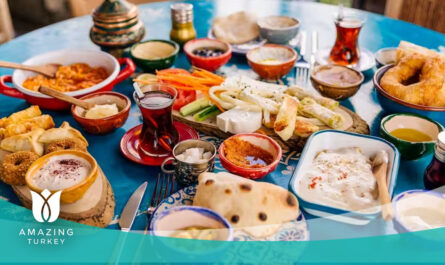
Istanbul’s culinary culture makes iftar particularly interesting for visitors. Traditional Turkish dishes, soups, pide, pastries, desserts and other regional specialties may appear on Ramadan tables.
For travelers, joining an iftar meal can be a memorable way to experience Istanbul’s hospitality and food culture. During Ramadan, however, it is important to remain respectful of people who are fasting.
Ramadan atmosphere around Istanbul’s mosques
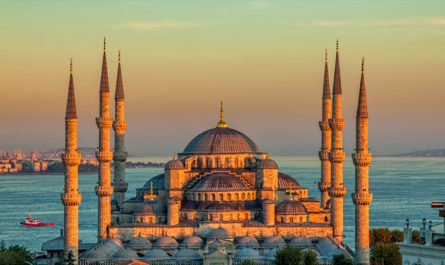
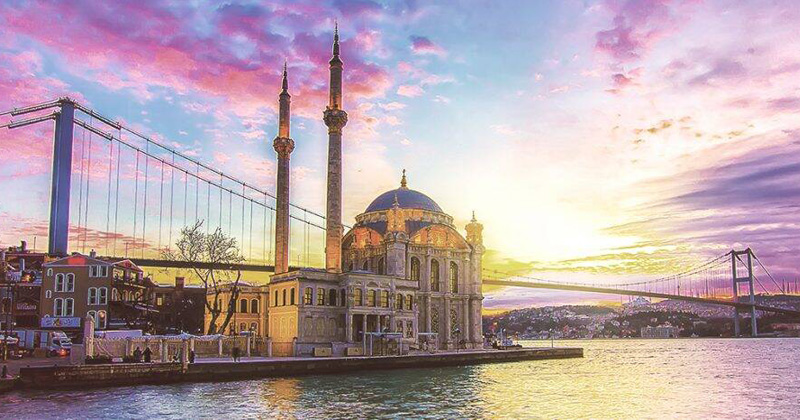
Istanbul’s historic mosques become particularly atmospheric during Ramadan. Visitors may notice larger crowds around important religious sites, especially around sunset and during evening prayers.
The city is also famous for mahya, illuminated messages traditionally displayed between the minarets of Ottoman-era mosques during Ramadan. These lights are one of the distinctive visual traditions associated with Ramadan in Istanbul and can create spectacular scenes after sunset.
Major mosques and public spaces can become especially lively after iftar, with people meeting family and friends, walking through the city and attending evening prayers.
Tarawih prayers during Ramadan
After the evening meal, many Muslims attend tarawih, special congregational prayers performed during Ramadan.
In Istanbul, mosques organize additional Ramadan programs, including Quran recitations, religious talks and other activities. In 2026, the Istanbul Mufti’s Office announced special Ramadan programs across the city’s mosques, including tarawih, Quran recitation and other religious activities.
Visitors are welcome to appreciate the architectural and cultural atmosphere around mosques, but should follow the rules of each place of worship and dress appropriately.
Ramadan and charity
Charity is another important dimension of Ramadan. Muslims are encouraged to support people in need through charitable giving and acts of generosity.
The month therefore has an important social dimension in Istanbul, where communal meals, charitable initiatives and assistance to people in need form part of the wider Ramadan atmosphere.
At the end of Ramadan, Muslims celebrate Ramadan Bayramı, also known as Eid al-Fitr. Families traditionally visit relatives and friends, exchange greetings, share meals and wear their best clothes.
When is Ramadan in Istanbul?
Because Ramadan follows the Islamic lunar calendar, its dates change every year.
For example, according to Türkiye’s Presidency of Religious Affairs (Diyanet), Ramadan 2026 began on Thursday, 19 February 2026, following the first tarawih prayer on the evening of 18 February.
If you are planning a future trip, always check the current Ramadan dates and local prayer times before traveling.
Visiting Istanbul during Ramadan
Traveling to Istanbul during Ramadan can be a rewarding cultural experience. The city continues to operate normally, but daily rhythms can change, particularly around sunset and evening prayer.
A few simple recommendations can make your visit more comfortable:
Respect people who are fasting
You can eat and drink during the day as a visitor, but avoid deliberately eating, drinking or smoking directly in front of people who are fasting, particularly in more traditional settings.
Plan meals around iftar
Restaurants and cafés may become particularly busy shortly before sunset. If you want to experience a popular iftar restaurant, making a reservation can be useful.
Visit mosques respectfully
When visiting Istanbul’s mosques, dress modestly and follow the instructions provided at the entrance. During prayer times, tourist access may be restricted in certain areas.
Experience Istanbul after sunset
One of the best ways to experience Ramadan in Istanbul is after sunset. Streets around major mosques can become lively with families, visitors and worshippers enjoying the evening atmosphere.
Explore Ramadan traditions
Look for illuminated mahya displays, Ramadan events, traditional foods and community activities. These provide a deeper cultural experience than simply visiting Istanbul’s major tourist attractions.
Why experience Ramadan in Istanbul?
Ramadan in Istanbul combines spirituality, history, food and community in a particularly distinctive way. The city’s Ottoman heritage, historic mosques, illuminated minarets, traditional cuisine and lively evening streets create an atmosphere that is difficult to experience at other times of the year.
For visitors, Ramadan is not simply a religious season. It is also an opportunity to discover an important part of Turkish culture while experiencing Istanbul from a different perspective.
Source: Turkish Cultural Foundation; updated with current information from Türkiye’s Presidency of Religious Affairs (Diyanet).